How to Keep Mice Out of Your Boat During Winter Storage
Share this Article:
A boat in storage might look secure, but to mice, it feels warm, quiet, and full of soft materials. Many boat owners expect winter to preserve their vessel, not attract unwanted guests. Then spring arrives, and the damage is already done. Wiring has been chewed, cushions ripped open, and nesting material scattered throughout. Rodents can squeeze through small gaps, and a single opening is enough to let them in.
Why Rodents Target Boats in Winter
Cold weather drives mice to search for places that provide shelter, warmth, and something to chew. A stored boat checks all the boxes. It's quiet, usually undisturbed for months, and often full of materials like seat foam, carpet, and stored fabric. Wiring insulation and rubber hoses help keep their teeth worn down.
Smaller boats stored outdoors or under basic covers are especially easy targets, but even boats kept indoors aren’t completely off-limits. If there's an opening the size of a dime, a mouse can fit through it. Once inside, they look for hidden corners, stay out of sight, and start building nests where you’re least likely to look.
Signs Mice Are Already in Your Boat
Rodents leave behind clear evidence, but the signs can go unnoticed if you're not checking closely. A few small clues often point to a larger problem that’s developed during storage.
Common signs mice have moved into your boat include:
- Chewed wires or frayed cables around the engine or battery
- Mouse droppings in storage compartments or under seats
- Shredded materials like foam, paper, or fabric
- Strong odors, especially a musty or ammonia-like smell
- Small holes in boat covers or near vents and seams
Even minimal damage at first can lead to costly cleanup once the infestation spreads.
Tips for Keeping Mice Out of Your Stored Boat
Rodents are resourceful, but taking a few proactive steps helps reduce the risk of infestation.
Clean and Prep Your Boat Before Storing
Start with a full interior and exterior cleaning before your boat goes into storage. Leftover crumbs, wrappers, or small spills can attract mice looking for food. Vacuum carpets, wipe down surfaces, and empty all storage compartments. Remove life jackets, seat cushions, or fabric items that could be shredded and turned into nesting material.
Don’t skip the hidden spaces. Rodents often settle in hidden areas like engine bays, under seats, or around wiring. Take time to check and clear these spots.
After cleaning is done, leave compartments slightly open to promote air flow. A dry, empty space gives pests fewer reasons to stay.
Seal Entry Points and Remove Nesting Spots
Rodents don’t need much space to squeeze into a boat. Openings around vents, wiring, or steering cables can become easy access points if left unsealed. Walk through the entire boat and look for gaps, holes, or loose fittings. Use steel wool, marine-grade sealants, or wire mesh to close them off.
Look for areas that could double as a nesting site. Storage bins, rolled-up tarps, and soft padding are common targets. If something seems like it would make a good hiding place, it probably will. Remove what you can and leave spaces empty and exposed. The fewer hiding spots available, the less likely mice are to stick around once temperatures drop.
Use Effective Mouse Deterrents for Winter
Once your boat is clean and sealed, the next step is adding deterrents that keep mice from getting too close. Natural scents like peppermint oil, clove, or cedar can be used on cotton balls and placed throughout the interior. These smells are strong and unpleasant to rodents, especially in enclosed spaces.
Commercial rodent repellents, including ultrasonic devices and non-toxic granules, can also help reinforce the barrier. Avoid using poison inside the boat. Dead rodents create odor and may attract more pests.
Place deterrents near entry points, under seats, and in storage compartments. Keeping the environment uncomfortable for rodents is key to keeping them out.
Protect Boat Covers and Interior Storage Areas
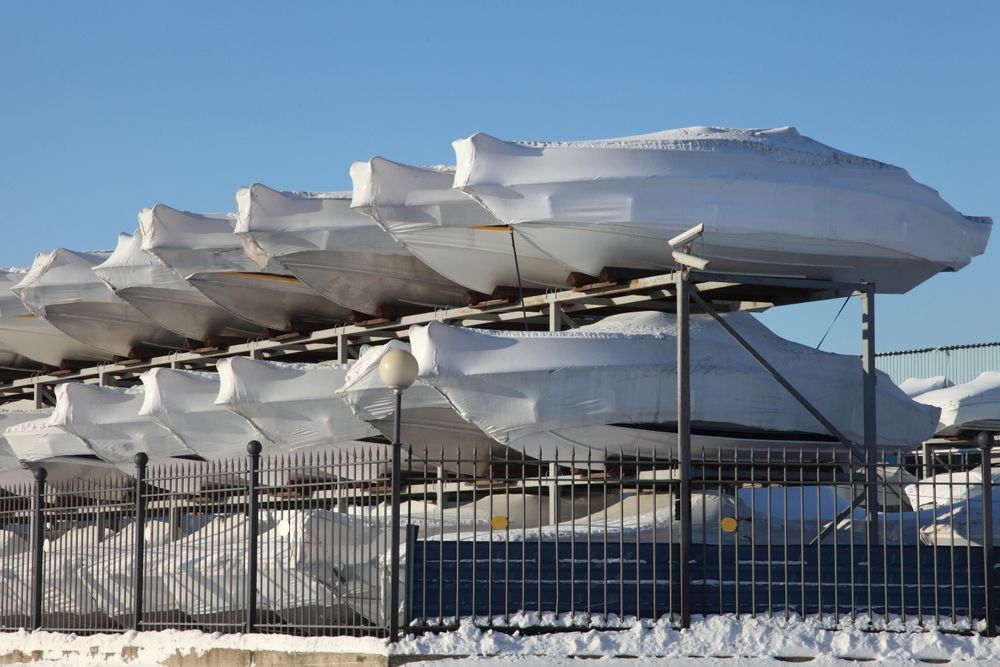
Boat covers are one of the first lines of defense, but they can also be a weak spot if not properly secured. Use a well-fitted, heavy-duty cover that fully encloses the boat and ties down tightly at all sides. Loose edges or small gaps can invite rodents to crawl underneath and start exploring.
Inside the boat, focus on storage compartments and seat bases. Keep them empty, dry, and cracked open to allow airflow. Avoid storing food, paper, or anything soft that could appeal to nesting rodents.
If possible, elevate the boat slightly to reduce access from below. Combined with proper sealing and deterrents, these extra steps help reinforce your boat’s defenses during storage.
Why Choosing Secure Storage Helps Prevent Rodents
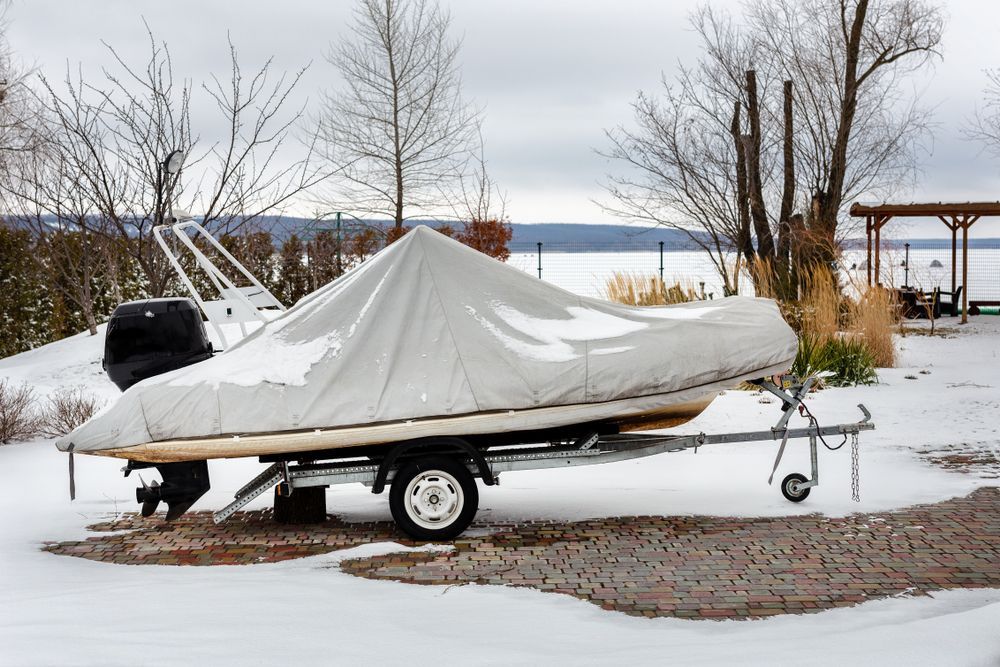
Where you store your boat plays a big role in whether rodents can get inside. Outdoor areas with tall grass, nearby woodpiles, or trash bins tend to attract mice. These environments give them food, shelter, and cover before they even reach the boat. Once they’re close, all it takes is one gap or loose cover.
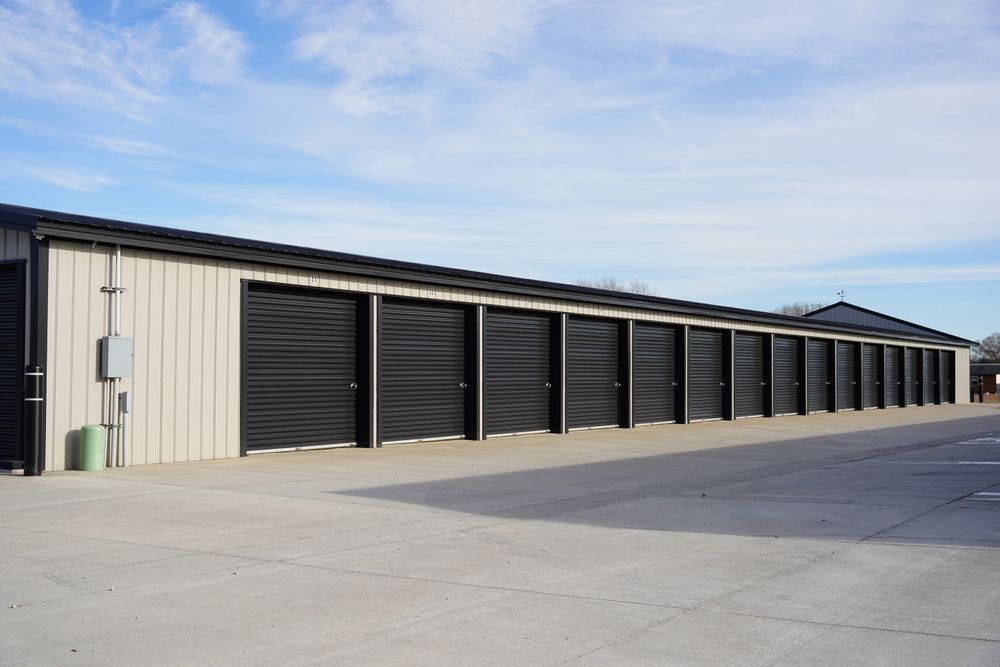
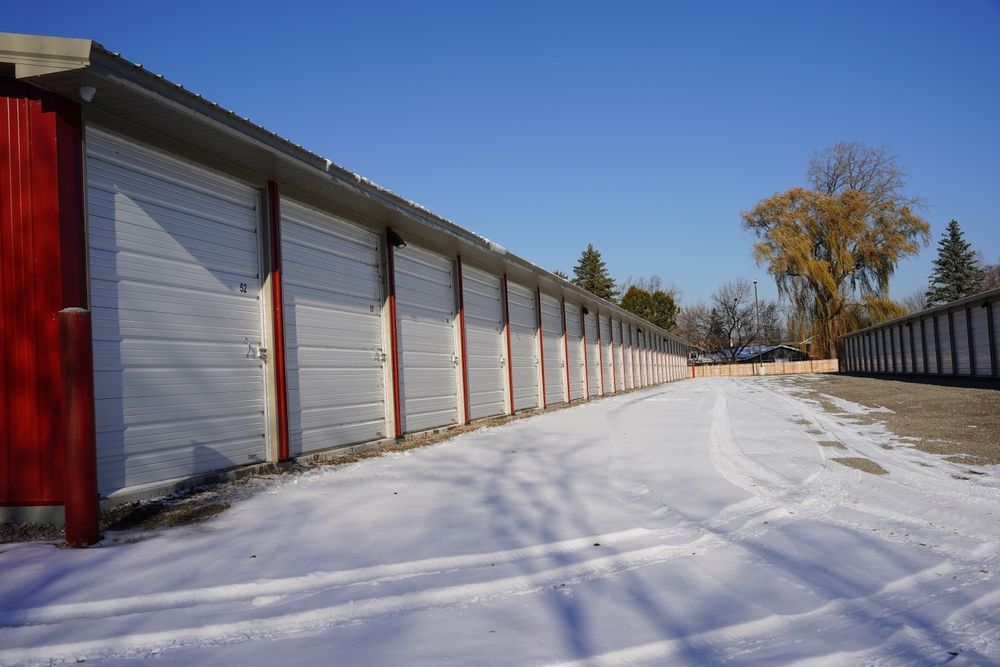
Choosing a storage facility that’s paved, well-maintained, and regularly monitored reduces that risk. Clean surroundings and fewer hiding places make it harder for rodents to settle in nearby. Facilities with fencing, lighting, and on-site staff also help discourage activity around stored boats.
Preventing mice starts well before they reach your boat. Where you store it matters more than most people realize.
Store Your Boat With Us for a Rodent-Free Winter
Storing your boat in a secure, monitored space gives you peace of mind throughout the off-season. At Open City Self Storage, our facility is clean, gated, and built to help prevent common rodent issues. We keep the grounds maintained and the area free of clutter that could attract pests.
Our
boat storage options include outdoor parking spaces and drive-up units, depending on the size of your vessel. You can review
our unit sizes online and pick the setup that works best for your needs.
If you're ready to protect your investment this winter, we’re here to help.
Contact us to learn more about availability and storage options near you.
Share with Us!