
How Self-Storage Solves Small Business Inventory Overflow
Share this Article:
Inventory has a way of going beyond its original space faster than expected. What starts as a manageable amount of product can slowly take over offices, back rooms, and workspaces that were never meant for storage. For small business owners, growth brings new opportunities, but it can also create pressure when space cannot keep up. That strain shows up in daily operations, slowing tasks and complicating decisions. At a certain point, staying organized means finding space that works better for how the business operates, especially when inventory overflow begins to interfere with daily routines.

The Hidden Costs of Inventory Overflow
Overflow does not usually happen all at once. It usually begins with a few small challenges that seem easy to handle. Over time, those small issues build up and begin to affect how a business runs each day. Extra stock crowds areas meant for packing, customer service, or general operations, so teams end up working around piles of items instead of following clear processes. Time is lost searching for products, orders take longer, and errors become more common.
There is also a financial impact. Space still has a cost even when it is not used efficiently. What looks like healthy growth on the surface can strain both workflow and margins when storage no longer matches demand. This type of inventory overflow can affect consistency and make it harder to stay organized over time.
Why Small Businesses Outgrow Their Space
As demand increases, the room that once felt sufficient for inventory, supplies, and daily tasks starts to feel tight. New product lines, seasonal peaks, and buying in larger quantities all add pressure. A company might add new items, hold seasonal stock longer than planned, or shift toward higher-volume ordering as sales rise.
At the same time, limited shelving, the need for backup stock, and sharing space between departments add more stress. Over time, the original layout no longer fits the pace of the business. That change signals that storage needs to catch up and work with daily operations instead of getting in the way.
How Self Storage Solves Inventory Overflow
When space inside a business reaches its limit, the next step is finding additional room that does not disrupt daily work. Self-storage can act as a practical extension of the business, especially for those dealing with self-storage inventory overflow challenges that cannot be handled in-house. Instead of crowding work areas, inventory moves to a separate, organized location set up for easy access and flexibility.
Many small
businesses use storage units to create that balance, keeping main work areas clear while still maintaining access to important stock. With a thoughtful setup, inventory becomes easier to manage, track, and rotate as needs shift over time.
This arrangement helps teams stay focused, reduces internal strain, and keeps workflow more consistent. It also creates room to grow without constantly having to reorganize or shift things around.
Top Benefits of Self Storage for Inventory
Once inventory is moved into its own dedicated space, the daily impact becomes clearer. Self-storage creates separation between operations and excess stock, helping restore order and consistency across the business.
Key benefits include:
- Better organization, which simplifies tracking and locating products
- More usable workspace for packing, fulfillment, and customer needs
- Flexibility through a range of unit sizes that can adjust with inventory levels
- Reduced clutter, leading to fewer errors and smoother workflows
- Easier seasonal transitions without overcrowding primary business areas
- More predictable inventory management as stock levels grow or change
Over time, these changes create a steadier rhythm that supports both efficiency and growth.
What to Look for in a Storage Facility
Finding the right space involves more than just an open unit. The best storage facility aligns with everyday operations, access needs, and long-term plans. Details like layout, security, and convenience all influence how well inventory can be managed.
Important features to consider include:
Gated access and video monitoring for added security
Drive-up access for easier loading and unloading
Flexible lease terms that match changing inventory levels
Clean, well-maintained units that support organized storage
Convenient location to reduce travel time between spaces
Online account access for simple payment and management
Making a careful choice here helps keep inventory accessible, protected, and aligned with how the business runs day to day.
Smart Tips for Storing Business Inventory
Once inventory is moved into storage, the way it is arranged has a major impact on how useful that space becomes. A thoughtful layout helps reduce time spent searching for items and keeps workflow steady as inventory levels shift.
Helpful tips include:
- Group similar items together for easier tracking and access
- Label boxes clearly so products can be identified without opening them
- Leave space for movement to prevent overcrowding
- Use shelving to take advantage of vertical space and keep walkways clear
- Keep frequently used items near the front of the unit
- Maintain a simple inventory list to track what is stored and where
Small adjustments like these help maintain order as inventory grows.
When to Use Storage During Business Growth
Certain moments in growth highlight space limitations more clearly and begin to affect consistency. These points often show up during inventory increases tied to seasonal demand, new product launches, or changes in ordering habits. Storage becomes a practical option once work areas start to feel constrained or organization begins to break down under higher volume.
It can also serve as a temporary solution during transitions, such as relocating or expanding operations, or adapting to new fulfillment processes and team structures.
Recognizing these signals early helps keep workflows smoother and prevents inventory from interfering with daily activity. That extra flexibility supports continued growth without constant rearranging or disruption, and it helps maintain a more balanced, manageable operating environment.
Rent Storage Today and Take Back Your Space
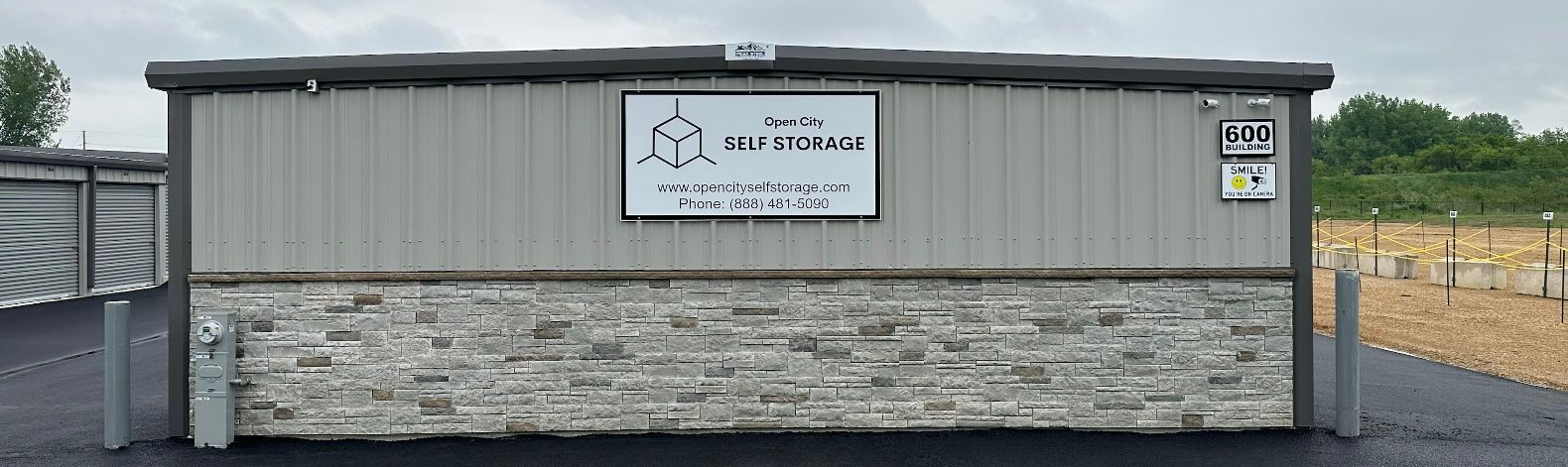
As inventory continues to grow, having the right space in place restores order to daily operations. Open City Self Storage offers a straightforward way to handle overflow without crowding work areas or slowing things down. With secure access, convenient drive-up units, and flexible options, companies can create a setup that fits their pace and storage needs. The result is a more reliable system that supports everyday work without unnecessary stress or wasted time.
For those ready to create more room and regain balance, the next step is straightforward.
Contact Open City Self Storage today to find a space that fits and take back control of how inventory is stored and managed, with a setup designed to grow alongside changing business needs.
Share with Us!