The Best Ways to Store Clothes in a Storage Unit
Share this Article:
Clothing often ends up in storage during big life changes. A move, a remodel, or limited closet space can send boxes of shirts, coats, and dresses out of sight for months. When they come back, those pieces sometimes look faded, wrinkled, or smell a bit stale. A little preparation on the front end goes a long way toward keeping everything in good shape.
Knowing how to store clothes in a storage unit helps protect fabrics, preserve their shape, and keep outfits ready to wear when you need them again.

Why Improper Clothing Storage Can Cause Damage
Different fabrics react differently to storage conditions. Natural fibers like cotton and wool absorb moisture, which can lead to musty odors, mildew, and fabric damage. Leather jackets can stiffen or crack when exposed to extreme temperatures, while delicate fabrics like silk may develop permanent creases when packed too tightly.
How you pack your clothes matters, too. Heavy winter coats and down-filled jackets can lose their shape when compressed for long periods. Sweaters and knitwear may stretch if left hanging, while dresses and structured jackets can wrinkle or become misshapen when crammed into boxes.
These problems often develop gradually, especially when clothes sit untouched for months. Whether you're storing seasonal clothing or making extra room in your closet, cleaning, packing, and protecting each fabric properly helps keep your wardrobe in better condition.
What You Need Before Storing Clothes in a Storage Unit
Good results start before anything reaches the unit. A few basic materials keep clothing clean, supported, and easy to find later. The aim is simple: prevent damage and stay organized.
Helpful supplies include:
Sturdy plastic storage bins with lids that close securely
Acid-free tissue paper for delicate fabrics
Garment bags for coats, dresses, and formal outfits
Labels or markers so containers are easy to identify
Moisture absorbers to cut down on humidity inside bins
Cedar blocks or lavender sachets to keep odors in check naturally
These items create a stable setting for long-term storage. Gathering them ahead of time lowers the chance of wrinkles, mildew, or fabric damage once everything is in the unit.
How to Clean and Prepare Clothes for Storage
Clothes last longer in storage when they go in clean and completely dry. Even light traces of sweat, oil, or perfume can settle into fibers over time and turn into stains or unwanted smells. A simple routine before packing helps avoid those issues.
Use this basic process:
- Wash or dry-clean every item before storing it
- Let pieces dry fully so moisture cannot lead to mildew
- Fix small tears, loose hems, or missing buttons
- Fold heavier items with care to avoid deep creases
- Wrap delicate fabrics in tissue paper for extra protection
- Empty pockets and remove accessories that could snag or stain
This kind of prep gives you a clean starting point and keeps fabric more stable during long storage periods.
The Best Containers for Storing Clothes
The type of container you choose has a big impact on how clothing holds up over time. A good container shields fabrics from dust, pressure, and changing temperatures, and also keeps things tidy.
| Container Type | Best For | Why It Works |
|---|---|---|
| Plastic Storage Bins | Everyday clothing, folded items | Sealed lids block dust and reduce moisture exposure |
| Fabric Garment Bags | Dresses, coats, suits | Maintain shape and prevent creasing |
| Vacuum-Sealed Bags | Bulky seasonal items | Reduce the space used inside containers |
| Small Organizer Boxes | Accessories, scarves, gloves | Keep small items separated and easy to find |
Structured containers protect clothing and make the whole unit easier to keep in order.
How to Organize Clothes Inside Your Unit

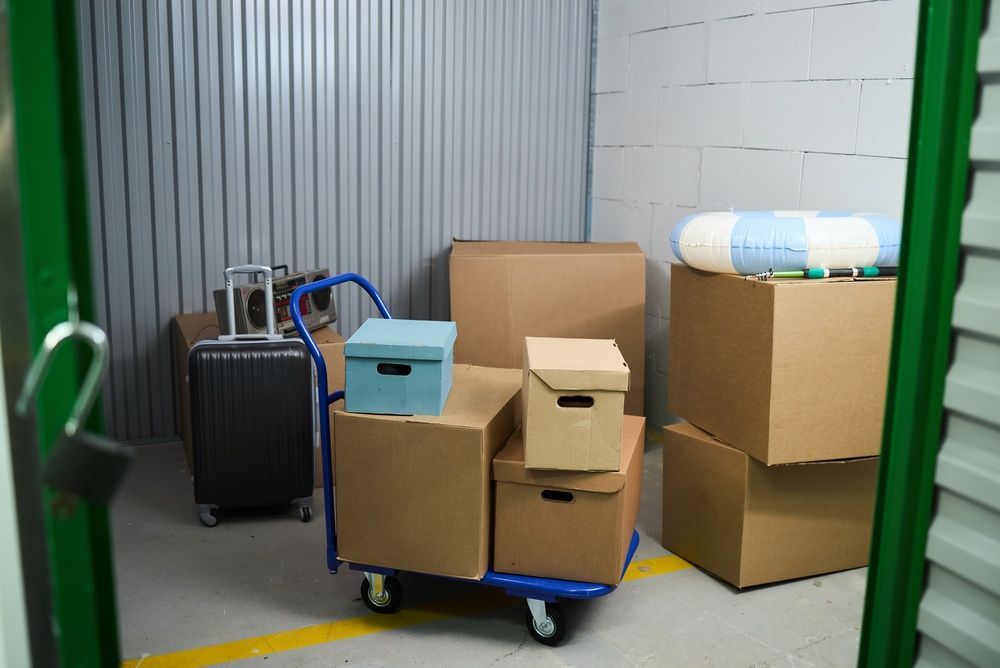
A little planning inside the unit prevents shifting and makes it easier to find what you need later. Place heavy bins or boxes on the bottom so stacks stay steady, then add lighter containers on top. Leave a narrow walkway so you can reach seasonal items without unpacking every box.
Sorting by category also helps. Group winter coats in one section, warm-weather outfits in another, and formal wear in a separate area. Clear labels on each bin save time during visits. Resources explaining
how to pack and organize a storage unit can also help determine
what size storage unit works best for clothing storage plans.
How to Prevent Mold, Pests, and Odors in Your Clothes
Clothing stays in better condition when the storage unit is clean and dry. Moisture is the main problem during long storage periods and can lead to mildew, stains, and stubborn smells.
A few habits help lower those risks:
- Choose containers that close securely so dust and insects have fewer ways in
- Place moisture absorbers inside bins to keep humidity under control
- Use cedar blocks or lavender sachets to discourage pests and keep fabrics smelling fresh
- Set containers on shelves or pallets instead of directly on the floor to avoid ground moisture and allow air to move around the unit.
These steps help clothing stay fresh and ready to wear, even after months in storage.
How Long Can You Keep Clothes in a Storage Unit?
Clothing can stay in a storage unit for an extended period when it is packed carefully. Clean fabrics, sealed containers, and breathable organization all play a part in keeping items in good shape. Seasonal wardrobes often stay stored for several months without trouble as long as the basics are covered.
Occasional check-ins help maintain clothing condition. Looking through containers every few months helps catch early signs of moisture or compression. Refolding garments during visits helps fabrics maintain their shape, while replacing moisture absorbers keeps humidity levels under control.
With some planning and occasional upkeep, storing clothes in a storage unit can work well for both short-term and long-term storage needs.
Store Clothes With Open City Self Storage in Elburn, IL
Storing clothing feels simpler when the space is neat, dry, and easy to navigate. Open City Self Storage offers units that work well for seasonal wardrobes, formal pieces, and everyday outfits that need a temporary home.
Before you rent, spend a moment reviewing
unit sizes so your containers fit comfortably without being crammed together. Leaving room between bins helps with airflow and keeps the layout flexible as your needs change.
People use clothing storage during moves, home projects, or when closets start to overflow. A well-arranged unit keeps garments protected and easy to grab when seasons change or life settles back down.
Questions about getting started?
Contact us today to learn more about available storage space and current unit options.
FAQs
Is It Better to Store Clothes in Plastic Bins or Cardboard Boxes?
Plastic bins with secure lids are the better choice for most clothing. They offer better protection against dust, pests, and moisture than cardboard boxes. Plus, clear bins make finding your clothes a breeze!
Do Clothes Get Moldy in Storage?
They can if moisture gets trapped inside containers. Always wash and completely dry clothes before packing them. Use sturdy bins, consider moisture absorbers, and check your belongings occasionally, especially during humid Illinois summers.
Is It Safe to Store Clothes in a Storage Unit?
Yes, with proper packing and storage conditions! Open City Self Storage in Elburn, IL, offers convenient drive-up units for seasonal clothing and extra belongings. Use protective containers, keep clothes off the floor, and take extra care with delicate fabrics.
How Long Can Clothes Stay in a Storage Unit?
Clothes can stay in storage for months or longer when packed properly and kept in suitable conditions. Use clean, dry containers and check your belongings periodically for moisture, odors, or fabric damage.
How Do You Keep Bugs Out of Clothes in Storage?
Start by washing clothes to remove dirt, food residue, and body oils that attract pests. Pack everything in sturdy plastic bins with secure lids, and avoid leaving loose clothing exposed.
Share with Us!