Short-Term vs. Long-Term Storage: Which is Best for You?
Share this Article:
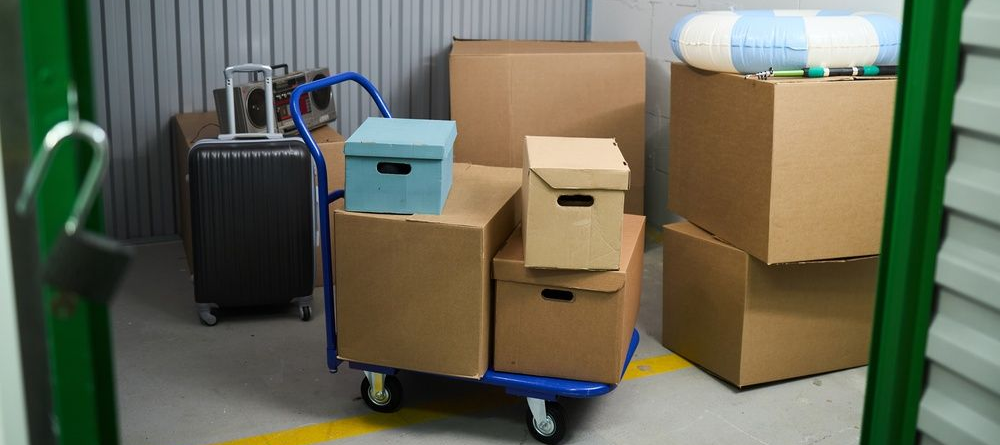
Short-term storage is best for temporary needs such as moving, remodeling, or storing seasonal items. Long-term storage is better suited for belongings that may stay stored for several months or longer, including furniture, vehicles, and recreational equipment.
Still, time is only part of the decision. When comparing short-term vs long term storage, consider how often items need to be accessed, what is going into the unit, and how certain the timeline is. Looking at these factors together can help you choose a storage setup that fits now and remains practical if plans change.
The Key Differences Between Short- and Long-Term Storage
The main difference between short- and long-term storage is the expected rental period, but access, purpose, and flexibility matter too. Short-term storage typically fits temporary situations, while long-term storage works well when belongings will remain stored for an extended period.
| Factor | Short-Term Storage | Long-Term Storage |
|---|---|---|
| Timeline | A few weeks to a few months. | Several months or longer. |
| Common Uses | Moves, renovations, seasonal needs. | Downsizing, vehicles, rarely used belongings. |
| Access | Items may be retrieved frequently. | Items are typically accessed less often. |
| Organization | Frequently needed items stay within reach. | Space can prioritize efficient, stable storage. |
| Rental Approach | Flexibility matters when plans may change. | Ongoing cost becomes a bigger consideration. |
Short- and long-term storage do not necessarily call for different types of units. The better choice comes down to how the space will be used, how often belongings need to be accessed, and how long they are likely to stay there.
What to Store in Short-Term Storage?
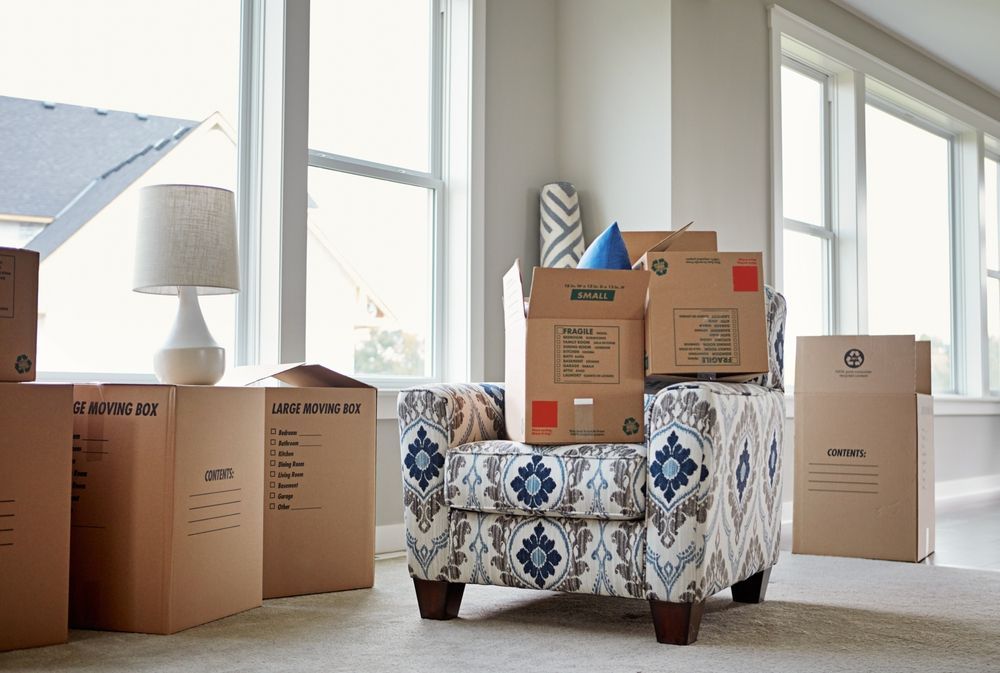
Short-term storage works well for belongings that need a temporary place during a move, home project, seasonal change, or other transition. Focus on items that will likely return home or be used again within the foreseeable future.
Seasonal Items
Holiday decorations, patio furniture, lawn equipment, and other seasonal belongings can take up valuable room when they are not being used. Some may stay stored for most of the year, while others only need a temporary spot between seasons. Keep items needed sooner toward the front of the unit and label containers by season or contents. This arrangement keeps everything organized and easier to retrieve when the right season returns.
Furniture
Furniture often needs temporary space during remodeling, home staging, moving, or a gap between residences. Sofas, tables, chairs, bed frames, and other pieces can stay stored until there is room for them again. Clean and dry furniture beforehand, use protective covers, and disassemble larger pieces when practical. Keep hardware labeled with the corresponding item and avoid overcrowding pieces. Drive-up access can simplify loading and unloading large, heavy furniture.
Household Items Between Moves or Transitions
Closing dates, renovations, downsizing, and other life changes do not always follow a predictable schedule. Boxes, kitchenware, small appliances, and extra household goods can stay stored until the next space is ready. Keep frequently needed boxes near the front and group similar items together. A simple inventory can help track what is stored, especially when a transition expected to last a few weeks stretches into several months.
What to Keep in Long-Term Storage?
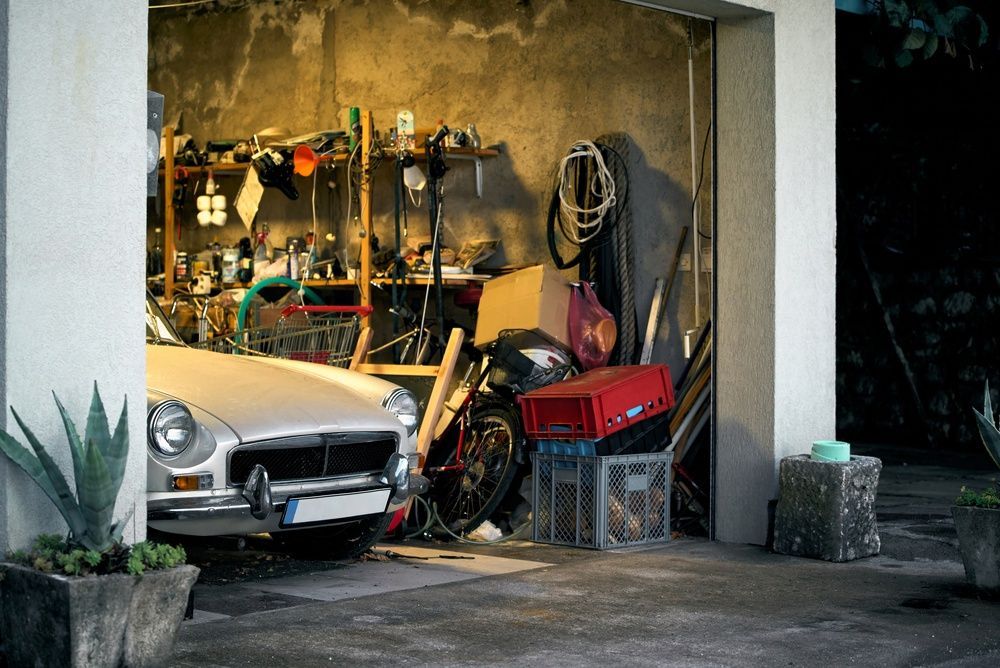
Long-term storage is a practical choice for belongings that will remain out of everyday use for several months or longer. It can free up space at home while keeping larger, seasonal, or infrequently used items in one designated place.
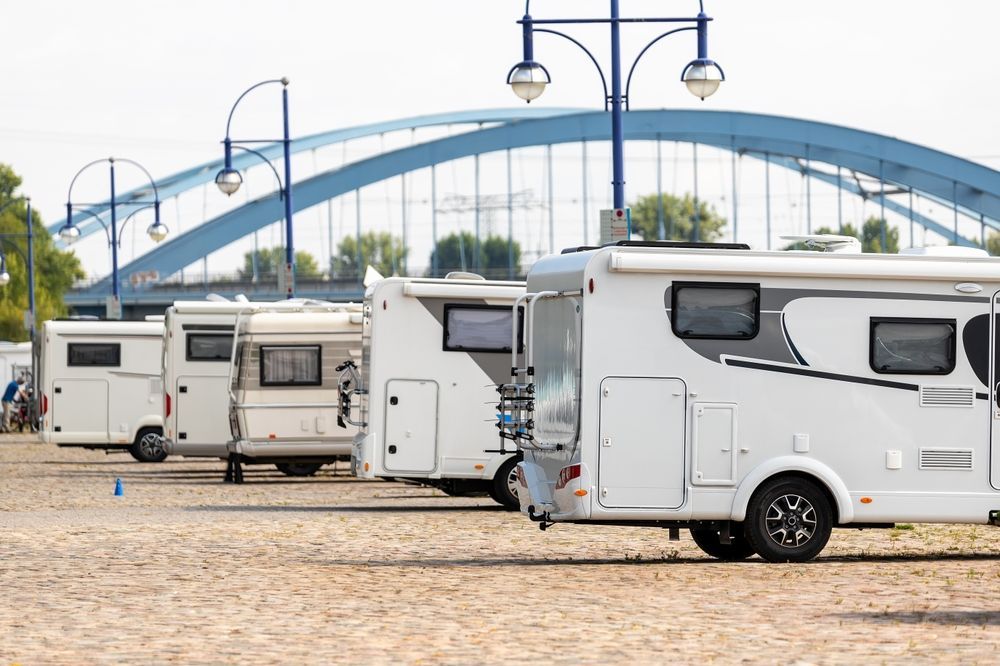
Cars, Boats, RVs, and Other Large Items
Cars, boats, RVs, and trailers may need a dedicated place when they are not used regularly or cannot stay at home. Dedicated
RV storage or vehicle storage can keep these larger items out of the way between trips or during the off-season. Before storing a vehicle for an extended period, clean it, remove personal belongings, check fluids and tires, and follow the manufacturer’s storage recommendations. Choose a space that fits comfortably for easier parking and retrieval.
Recreational
Equipment
Camping supplies, bicycles, fishing equipment, kayaks, and other recreational gear may spend months unused between trips or seasons. Before putting gear away, clean and thoroughly dry each item to reduce the chance of odors, mildew, or deterioration. Group equipment by activity and keep related accessories together in labeled containers. Thoughtful organization also prevents bulky gear from blocking belongings that may need to be retrieved sooner.
Rarely Used
Belongings
Some belongings are worth keeping even though they rarely have a place in everyday routines. Extra furniture, keepsakes, collections, household overflow, and items saved for future use can all fit this category. Pack belongings according to their material and fragility, label containers clearly, and create an inventory before storing them. Placing the least-used items toward the back keeps the space organized while leaving more frequently retrieved belongings accessible.
Compare Access, Cost, and Rental Flexibility
Storage duration affects more than how long belongings stay put. Before renting, consider how often the unit will be visited, what the expected stay could cost, and how easily the rental can adapt if plans change.
- Access: Frequent visits favor a unit that keeps loading and retrieval simple. Less frequent access means belongings can be arranged for longer periods without regular rearranging.
- Cost: Compare the expected total expense for the full rental period rather than focusing only on an introductory or monthly rate.
- Rental flexibility: Moves, renovations, and other transitions can shift unexpectedly. Review rental terms, payment schedules, and options for ending or extending the rental as plans change.
Considering all three factors can prevent a convenient storage solution from becoming frustrating later.
Choose a Unit Based on How You’ll Use the Space
The right unit size depends on what is being stored and how the space will function over time. Start by estimating the number of boxes, furniture pieces, seasonal items, or larger belongings going into storage. Then consider how often those items will be retrieved. Frequently used belongings should stay near the front, with a clear path for easy access. Drive-up access can simplify repeated trips and handling bulky or heavy items.
Think about how storage needs could change, too. A move may take longer than planned, or more belongings may need space later. Choosing a unit with enough room for organized access and some flexibility can keep the space practical without paying for unnecessary room.

Rent a Short-Term or Long-Term Storage Unit Today
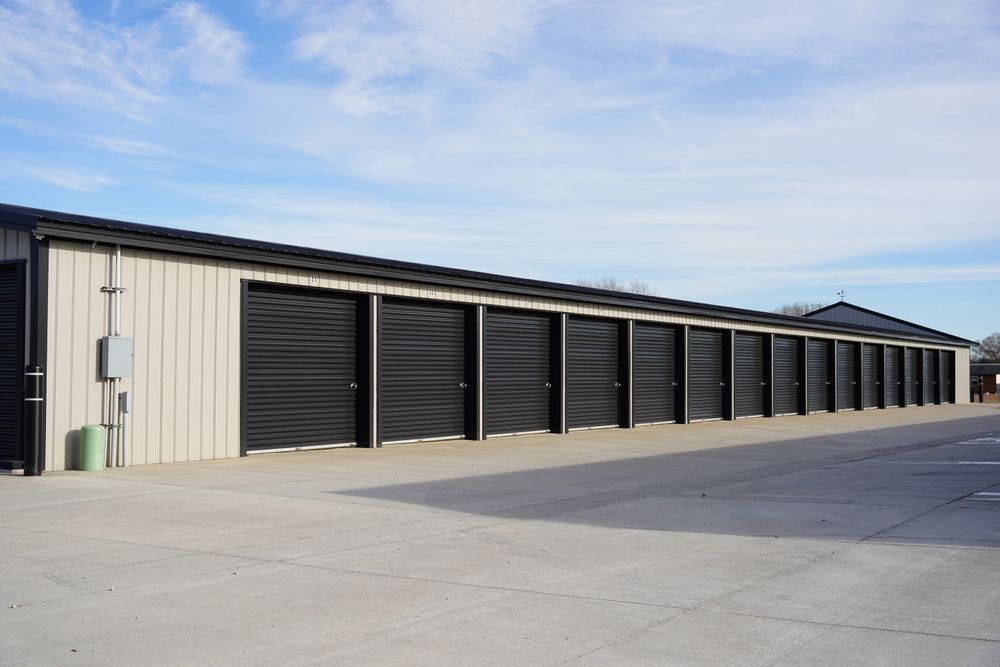
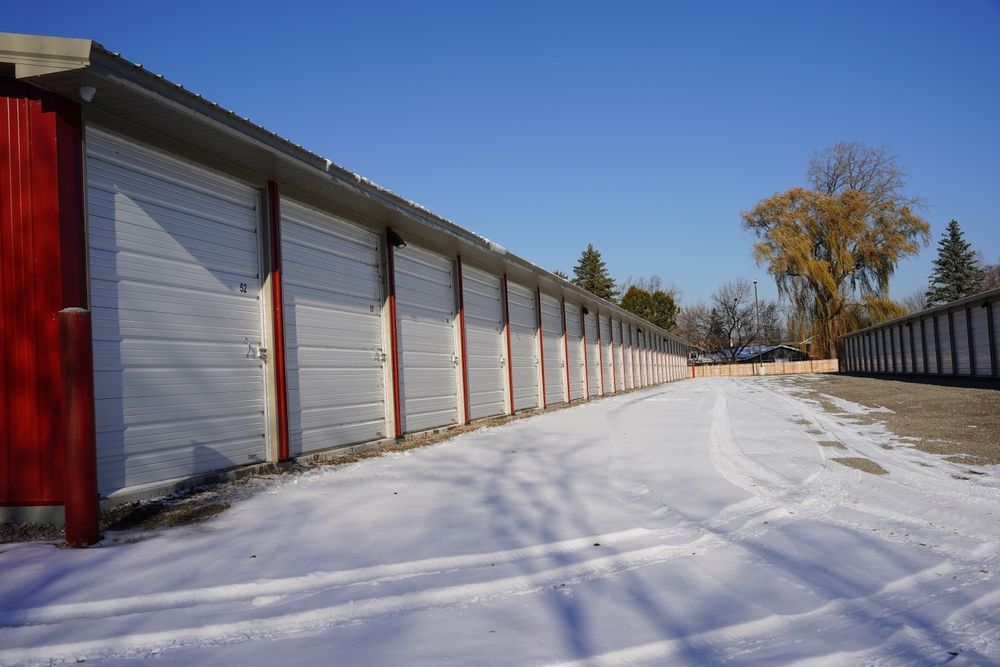
The right storage setup should fit the belongings, expected timeline, and level of access needed along the way. Open City Self Storage in Elburn has drive-up storage units for household belongings, furniture, and seasonal items, along with dedicated spaces for cars, boats, RVs, and trailers. Electronic gated access and 24/7 video surveillance add security while belongings or vehicles are stored.
Plans can change, but finding suitable space does not have to become another complication. Consider what needs to be stored, estimate how long the space may be needed, and think about how often access will matter.
Contact Open City Self Storage today to discuss your storage needs and find a space that fits.
Share with Us!