The Best Ways to Store Outdoor Furniture for Winter
Share this Article:
As temperatures drop and winter approaches, patio tables, chairs, and cushions need protection from snow, freezing rain, and moisture. Leaving furniture exposed can lead to rust, mildew, cracked finishes, and costly repairs once spring arrives.
Knowing how to store outdoor furniture for winter can help homeowners protect their belongings without overcrowding garages or sheds. From choosing the right storage space to preparing different materials, a few practical steps can keep outdoor furniture in better condition and ready for use when warmer weather returns.
Choose Between a Garage, Shed, Storage Unit, or Covers
Choosing where to keep patio furniture during winter depends on available space, furniture materials, and protection from harsh weather. Each option has advantages worth considering:
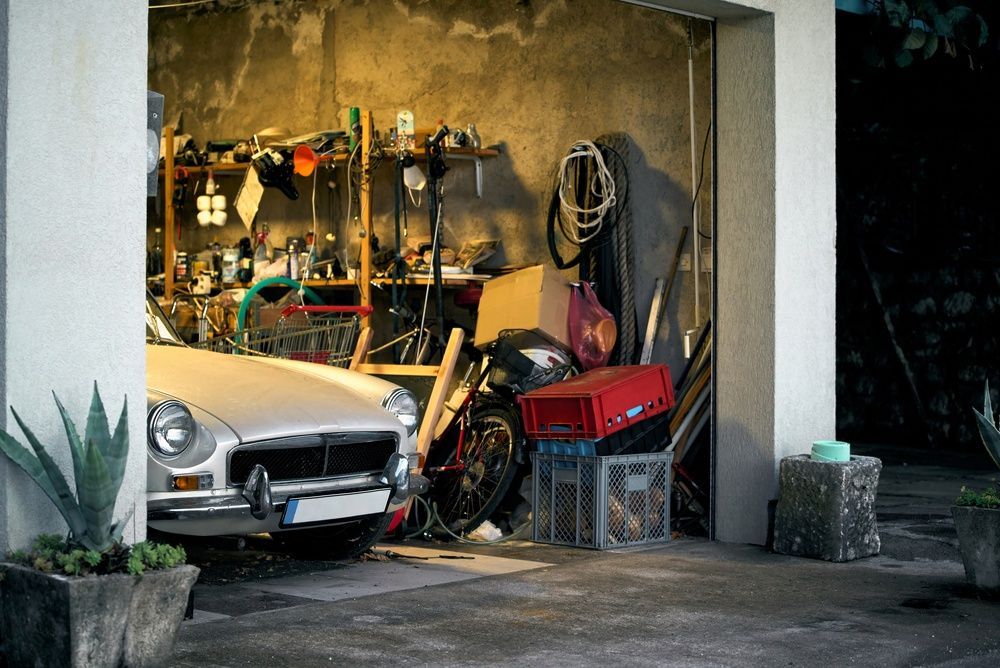
Garage: Protects furniture from direct snow and rain, but bulky patio sets can take up parking space during winter.
Shed: Keeps furniture out of the elements, although limited floor space and moisture buildup can be concerns.
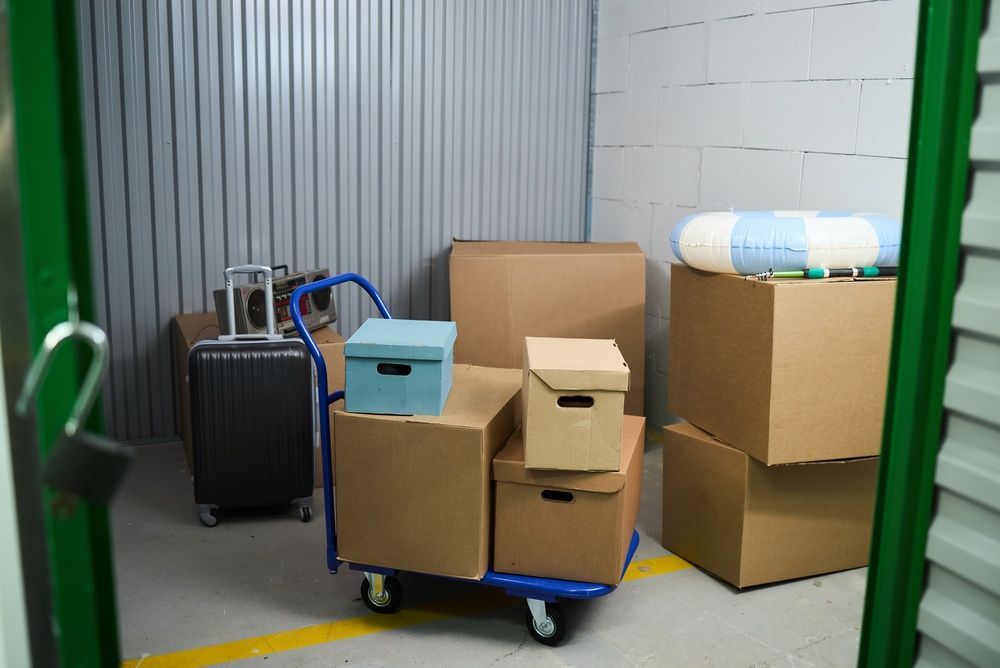
Storage Unit: Keeps patio furniture sheltered from snow and rain while helping free up garage space for winter parking. Depending on when you'll need your furniture again, consider short-term or long-term storage for added flexibility.
Outdoor Covers: Suitable for weather-resistant furniture that can remain outside, provided covers fit securely and have proper ventilation.
Before choosing, measure larger furniture pieces and check manufacturer care instructions. Consider how easily items can be moved and how much protection they need from freezing temperatures, moisture, and winter storms.
Which Patio Furniture Materials Can Stay Outside?
Some patio furniture handles freezing temperatures better than others. Before leaving anything outdoors, consider how each material reacts to snow, moisture, and repeated freezing and thawing.
Aluminum: Resists rust and generally handles cold weather well, though protective covers help prevent surface damage.
Wrought Iron: Strong and durable, but exposed metal can rust when snow and moisture reach chipped finishes.
Wood: Materials like teak tolerate outdoor conditions better than softer woods, but prolonged moisture can cause cracking, warping, or discoloration.
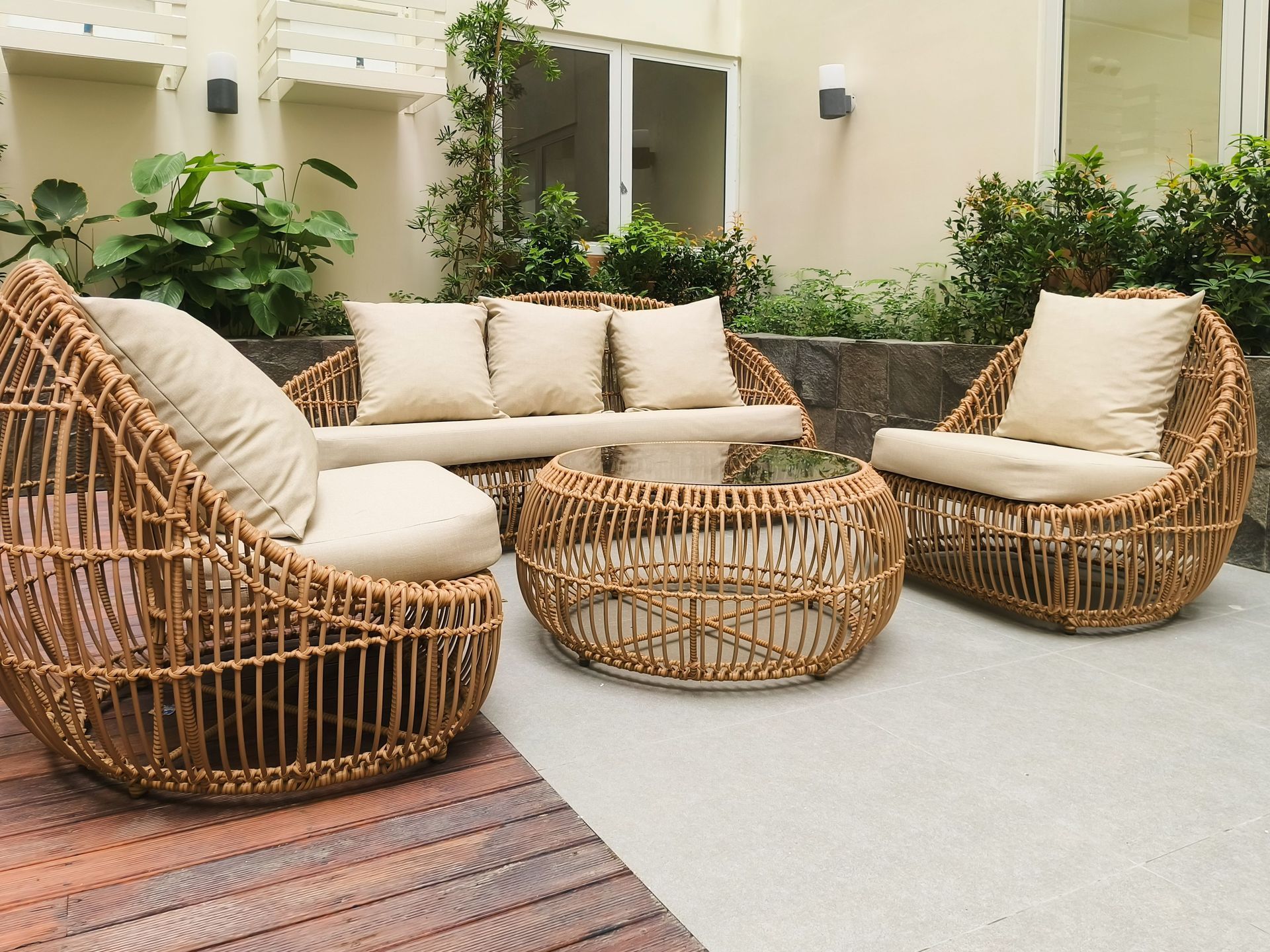
Wicker: Natural wicker is vulnerable to moisture and freezing temperatures, while synthetic wicker typically handles outdoor exposure better.
Plastic and Resin: Often weather-resistant, although extreme cold can leave certain plastics brittle and prone to cracking.
Check manufacturer recommendations before deciding what stays outside. When possible, store vulnerable furniture indoors to reduce winter damage.
Clean, Dry, and Disassemble Furniture Before Storage
Proper preparation helps protect outdoor furniture from stains, moisture damage, and unnecessary wear during winter. Follow these three steps before packing everything away:
Clean Every Surface: Remove dirt, leaves, and debris using a soft brush or cloth. Wash furniture with mild soap and water, following manufacturer instructions for specific materials. Pay attention to joints, corners, and hidden areas where grime collects.
Let Everything Dry Completely: Leave furniture in a well-ventilated area until all surfaces are dry. Check underneath tables, inside frames, and around hardware for trapped moisture that could lead to rust or mildew.
Disassemble Larger Pieces: Remove detachable table legs, separate sectional pieces, and fold chairs when possible. Keep screws and hardware in labeled bags attached to the corresponding furniture.
These steps help reduce storage space and simplify setup when spring returns.
Protect Outdoor Cushions From Moisture and Pests
Outdoor cushions can trap moisture even when their fabric is labeled water-resistant. Before storing them, remove dirt and stains according to the manufacturer's care instructions. Let cushions air-dry completely, including the inner foam, to prevent mold, mildew, and unpleasant odors.
Once dry, place cushions in clean, breathable storage bags or containers that protect against dust and pests. Avoid tightly compressing foam cushions, as they may lose their shape over time. Keep them elevated on shelves or pallets rather than directly on the floor. Check the storage area for gaps or signs of rodents before leaving cushions there for winter.
Cover Furniture Left Outside Without Trapping Moisture
If patio furniture must stay outdoors, properly fitted covers can protect it from snow, freezing rain, and debris. Choose water-resistant covers designed for each furniture piece, preferably with built-in vents to reduce condensation. Secure them with straps or buckles so strong winter winds don't pull them loose.
Avoid wrapping furniture tightly in plastic tarps, which can trap moisture against surfaces. Instead, leave space for airflow and position covers so rainwater and melting snow can drain away rather than collect in pockets. Check covers periodically throughout winter for tears, standing water, or trapped condensation. Remove heavy snow carefully to prevent unnecessary strain on furniture frames.
Our Recommended Unit Sizes for Patio Furniture
Choosing the right storage unit starts with measuring your furniture and considering how pieces can be arranged. Planning ahead and knowing the
best time to rent a storage unit can simplify winter preparations.
5x10 Units for Compact Furniture and Cushions
With 50 square feet of floor space, 5x10 storage units work well for smaller patio collections. A folding bistro table, two compact chairs, and several cushion containers may fit comfortably when arranged carefully. Stack lightweight items when safe and place frequently needed belongings near the entrance. Measure larger pieces beforehand to confirm they'll fit through the unit door.
10x10 Units for Small to Medium Patio Sets
Offering 100 square feet of floor space,
10x10 storage units can accommodate small dining sets, several patio chairs, and outdoor accessories. Removing table legs and stacking compatible chairs can help maximize available room. Keep cushions in protective containers and leave a narrow walkway if you'll need access during winter. Check furniture dimensions before choosing this size.
10x15 Units for Larger Patio Sets and Accessories
For larger outdoor collections,
10x15 storage units have 150 square feet of floor space. These units may accommodate sectional seating, larger dining tables, multiple chairs, and patio accessories. Arrange heavier furniture along the walls and keep delicate pieces protected from scratches. Leave enough room to access stored belongings without moving every piece when spring arrives.
Rent Drive-Up Winter Storage at Open City in Elburn
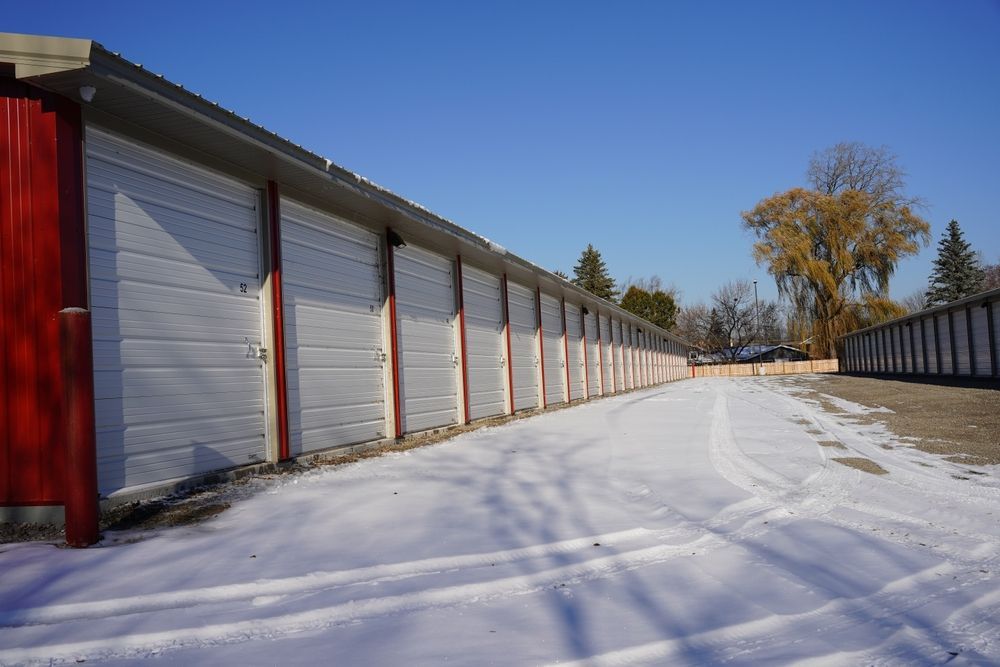
Need extra room for patio furniture this winter? Open City Self Storage has convenient drive-up storage units in Elburn, Illinois, with sizes ranging from 5x10 to 10x30. Customers can park directly outside their units, simplifying the process of loading and unloading bulky tables, chairs, and outdoor accessories.
The facility features gated electronic access and 24/7 video surveillance for added peace of mind. Ready to clear out the garage and protect your patio furniture from winter weather?
Contact our team to find the right storage space and rent today.
Share with Us!